Having spent most of my life in the semi arid climate of
Jihva is a monthly event that celebrates an ingredient every month and was initiated by Indira of Mahanandi. This month Jihva comes to Soul Food and I’ve chosen the exotic ingredient: Edible Flowers. At first I was skeptical about the choice but when Indira expressed her excitement and approval, I was encouraged to go for it! So bring out your flower power recipes.

A lot of people are doubtful of introducing flowers into their food, but people have been indulging in culinary uses of flowers for a long long time. Mostly the petals of the flowers are used, see tips and uses described below. If you don't have beds of homegrown flowers waiting to be picked or sources of organic flowers, then flower products such as rose and violet confits, syrups, liqueurs and even dried petals are the most accessible way to incorporate flowers into your cooking. Try searching online for specialist suppliers or look in delicatessens and Middle Eastern shops.
Here are the rules for participating in JFI: Flower Power:
- Prepare a dish or write about (articles/recipes -breakfast, brunch, lunch or dinner) from any cuisine using any Edible Flower (see list below) in any form and post it on your blog in the month of July.
- Make as many dishes as you like, there is no limit to the number of entries you can contribute.
- The deadline is July 31st. I will post the round up on August 2nd.
- Send your entries to soulfoodblog (@) gmail (dot) com. In your entry I need your blog name, link of your blog post, and preferably a beautiful focused picture in 455×280 pixel size as part of your entry. If you don’t send me an image, I will use the first image in your post.
- Since the ingredient of Edible Flowers is a ‘difficult’ choice, I’m also going to accept dishes that ‘look’ like a flower (in form or garnish) such as this; the aim is to celebrate Flowers this month in any form.
- If you don’t get an acknowledgement of your entry mail within 3 days of sending your entry, please leave a comment on this post.
- If you don’t have a blog, just send me an email and I will post it here as a guest post by your name and will include it in the round up with your name.
- Make sure your post includes a link to this announcement and to the main JFI page. Feel free to use one of these logos.


For a long time, many different cultures have incorporated flowers into their traditional foods. Oriental dishes make use of daylily buds and the Romans used mallow, rose and violets. Italian and Hispanic cultures gave us stuffed squash blossoms and Asian Indians use rose petals in many recipes. Chartreuse, a classic green liqueur developed in 
Do not eat flowers from a florist!
 Asthmatics should avoid some flowers: Asthmatics or others who suffer allergic reactions to composite-type flowers (calendula, chicory, chrysanthemum, daisy, English daisy, and marigold) should be on alert for possible allergic reaction.

Cooking with flowers: Yes, flowers look beautiful as garnishes, but what do they taste like? Bean blossoms have a sweet, beany flavor. Nasturtiums have a wonderfully peppery flavor similar to watercress and their pickled buds can be substituted for more expensive capers. Borage tastes like cucumber, and miniature pansies have a mild wintergreen taste. Violets, roses and lavender lend a sweet flavor to salads or desserts. Bright yellow calendulas are an economic alternative to expensive saffron, though not quite as pungent. Other flowers may have a spicy or peppermint flavor. When in doubt, taste, but first be sure it's not poisonous.: Source IMPORTANT: Please see this list of edible flowers, and dont use flowers that you are not sure of.


Edible flowers tips and hints:
Edible flowers as a garnish makes any dish look special on your table, but be sure the flavor of the flower compliments the dish.
• Place a colorful gladiolus, hibiscus flower or tulip cup (remove the stamen and pistil) in a clear glass bowl and fill with your favorite dip.
• Sprinkle edible flowers in your green salads for a splash of color and taste.
• Freeze whole small flowers into ice rings or cubes for a pretty addition to punches and other beverages.
• Use in flavored oils, vinaigrettes, jellies, and marinades.
• One of the most popular uses is candied or crystalized flowers, used to decorate cakes and fine candies.
• Never use non-edible flowers as a garnish. You must assume that if guests find a flower on a plate of food, they will think it edible.
• Use flowers sparingly in your recipes, particularly if you are not accustomed to eating them. Too much of a pretty thing can lead to digestive problems.
• If you are prone to allergies, introduce flowers in small amounts so you can judge their effect. Some have a much more pronounced flavor than others, so you'll need to judge accordingly.
• The leaves of some flowers also have culinary uses, but be sure to check a trusted food reference source before experimenting. This helpful edible flowers chart links to full color photos, plus includes info on scientific name, pertinent warnings, and flavor comparisons.
Source:
• Use petals in tea and brews, and cold soups.
I am also going to highlight some recipes where some bloggers have used edible flowers in my next post. Please mail me if you have queries regarding this event, I shall be happy to help you as much as I can. So, I’m hoping this will be an exciting and colorful jihva, I will also participate and do the recap on August 2nd.


 These bean brownies go to

 This is how I tweaked

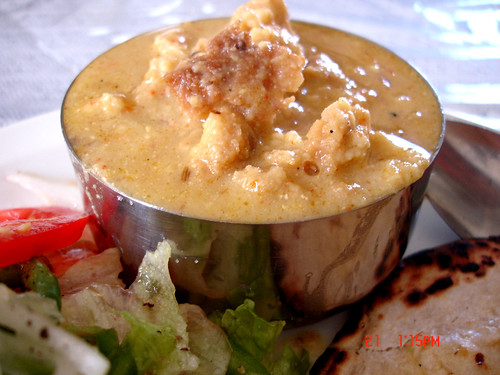
 Just outside the temple is a rabdiwala... that sells rabdi early in the morning in tiny earthenware cups. The taste is soooooo ...um..... I dont have words to describe how delicious it tastes!!! As I go through memory lanes of my childhood, we would then proceed through the small galis and shop for lovely artwork and rajasthani jewellery (little mirror work on almost everything), and then reach a place that serves elaichi doodh and besan papdi... the papdi is a long strip of steamed and fried papdi strips with the usual mustard, hing, corainder tadka with imli chutney, oh yummm. I remember the elaichi doodh to be so fragrant and soothing, God knows what they put in it!!! Right next to this place was all the tangawalas and the next highlight was taking a ride on the tanga (horse drawn traditional carriage) to the outer gali for the best dhokla I've ever had. This dhoklawala keeps his dhokla soaked in water and lots of corainder all the time!! Its the most spongiest khaman dhokla, I have yet to see a dhokla as springy as that one. The prasad we get in the evening finishes you and your day. I remember giant mathris, and ladoos with incredible taste, kadi and khichdi, gadmad ki sabzi...wow... I wanna go back and expirience it all again... This is the nostaligia that the mention of Rajasthan invokes in me. So to celebrate the special

